
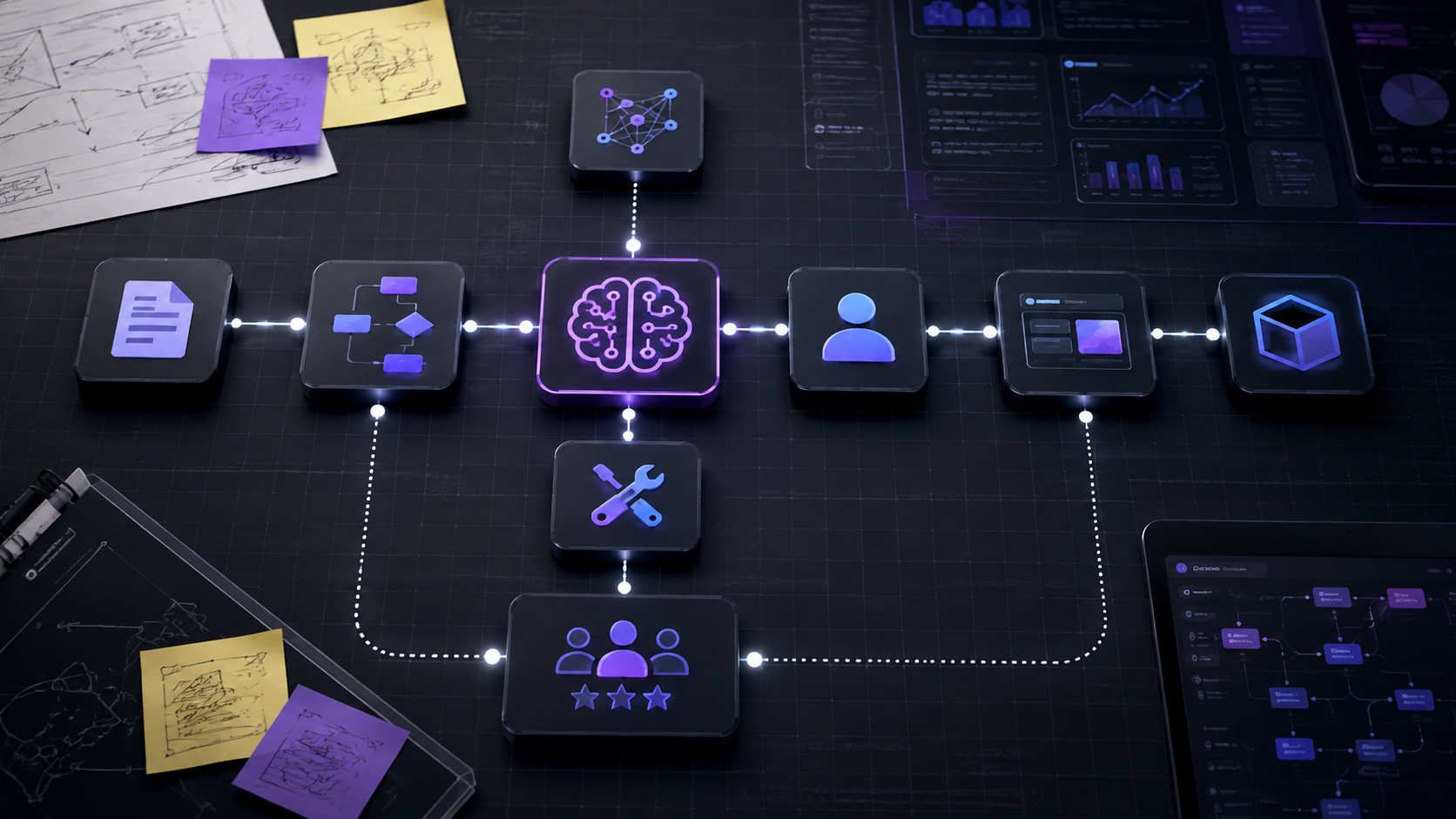
AI Workflow Prototypes
Explore how AI could actually fit into your team's workflow instead of adding another disconnected chatbot.
The Prototype Before the Project.
Before committing months of development, turn the idea into something people can actually experience, evaluate and react to.
Bowler Hat builds rapid prototypes across AI, interactive products, creative technology, games, realtime 3D, spatial/XR and emerging technology. The goal isn't to pretend the prototype is the finished product. The goal is to answer the questions that determine whether the product should exist.
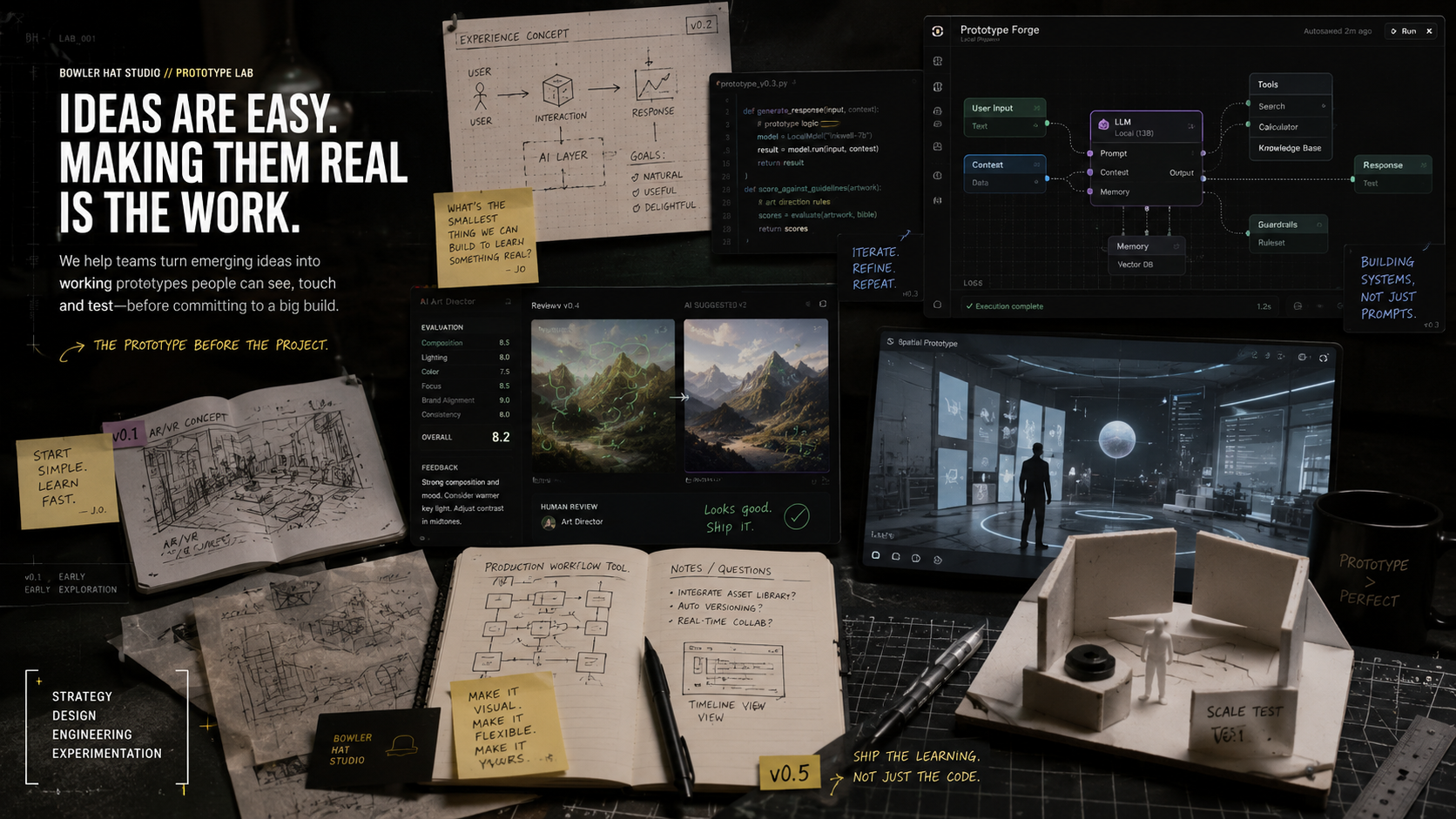
It's something we build to answer a question.
At Bowler Hat, rapid prototyping is a core capability — not a standalone service. We make ideas tangible enough to experience, evaluate and react to before anyone commits to a full build.
The idea is difficult to explain.
Nobody knows what the first version should actually be.
Engineering is too expensive to engage for an experiment.
Traditional presentations don't prove whether an idea works.
Teams debate possibilities instead of interacting with them.
AI initiatives get stuck at "we should do something with AI."
Before you build the project, build enough of the idea to learn from it.
Prototypes can be anything that makes the question answerable — a workflow, an interface, an interaction, a spatial concept, or a working slice of a larger idea.
Explore how AI could actually fit into your team's workflow instead of adding another disconnected chatbot.
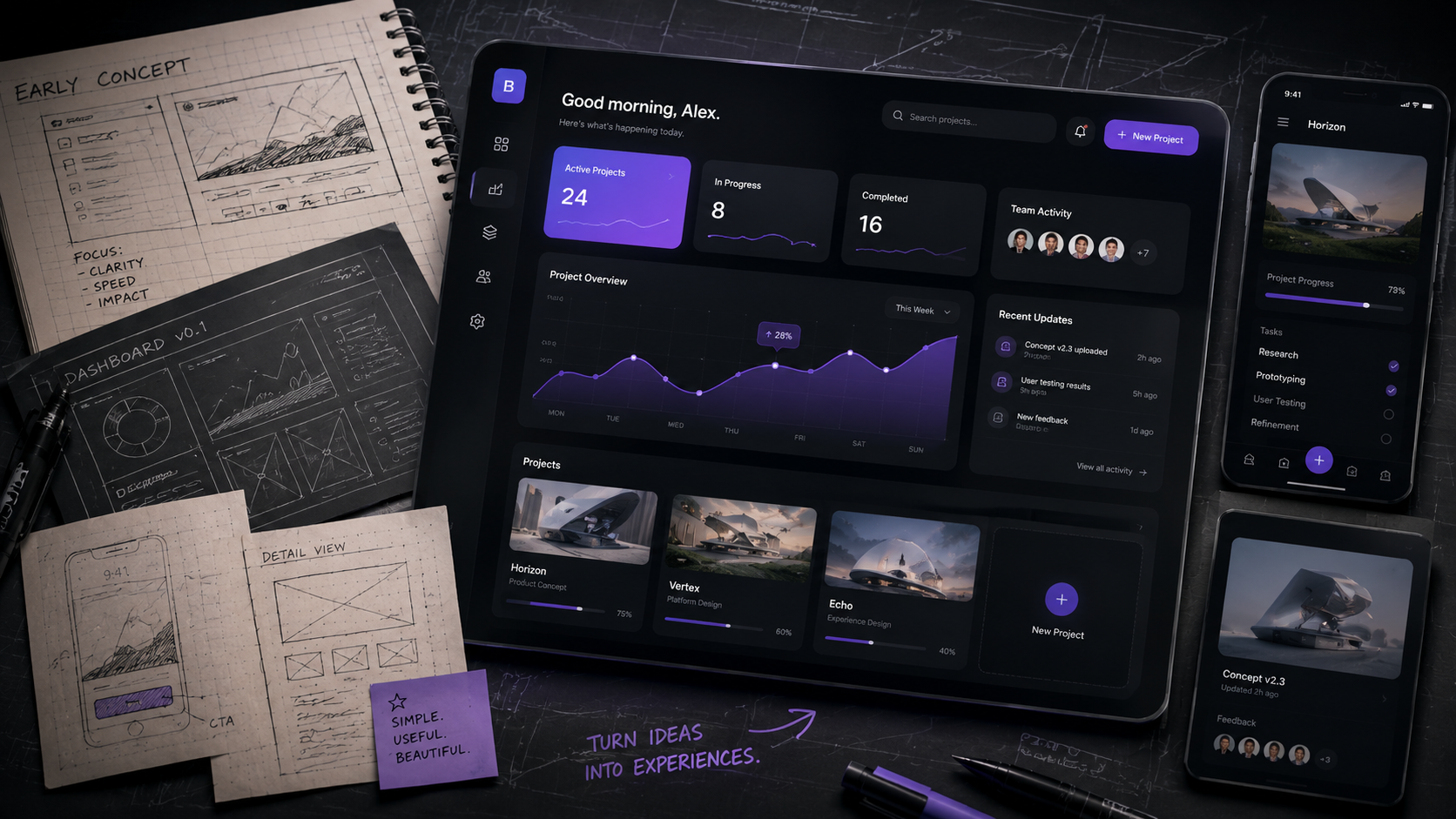
Turn a product or platform idea into something stakeholders can interact with.
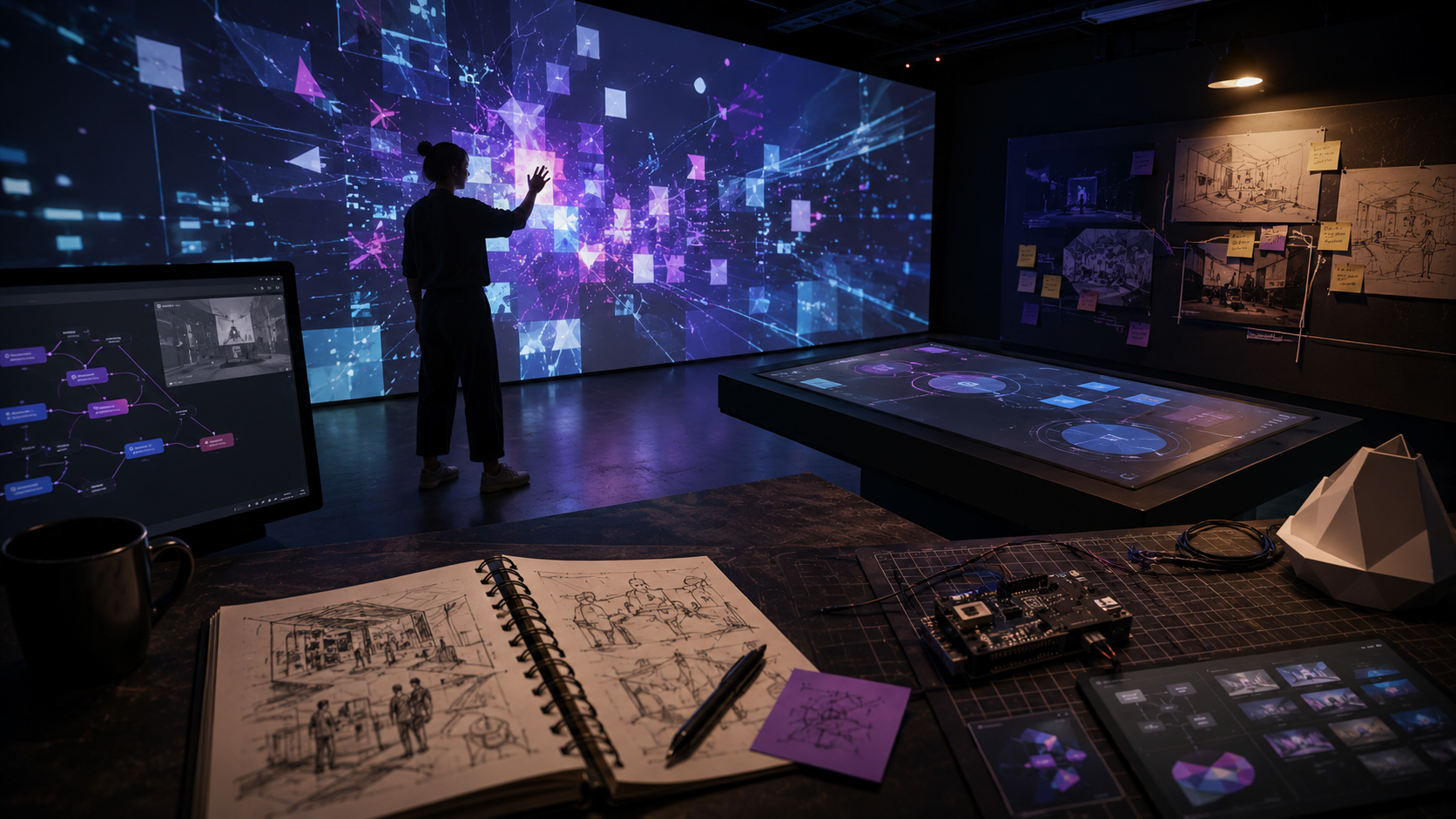
Prototype experiences that combine design, technology, storytelling and interaction.
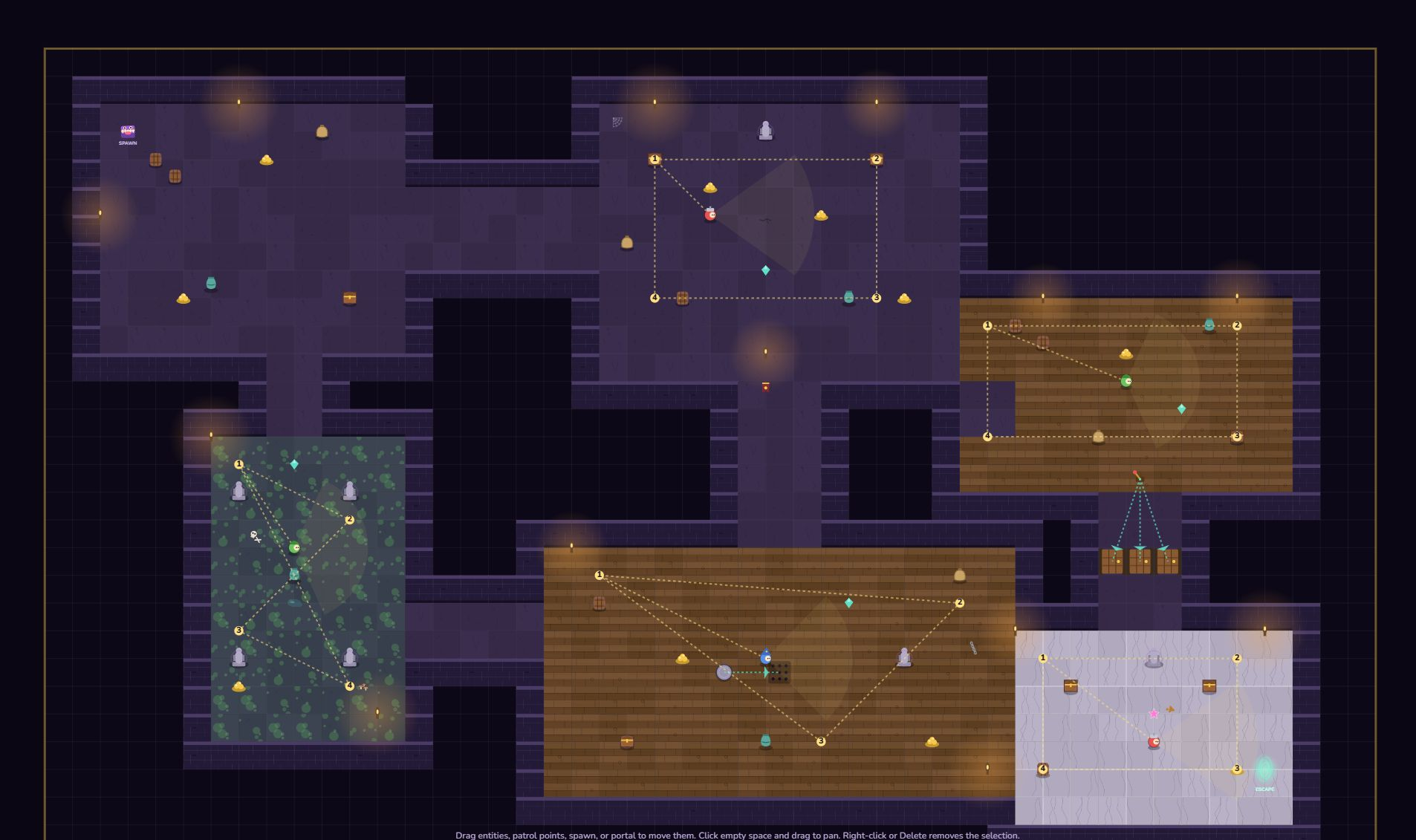
Explore mechanics, interaction and feel before building production systems.
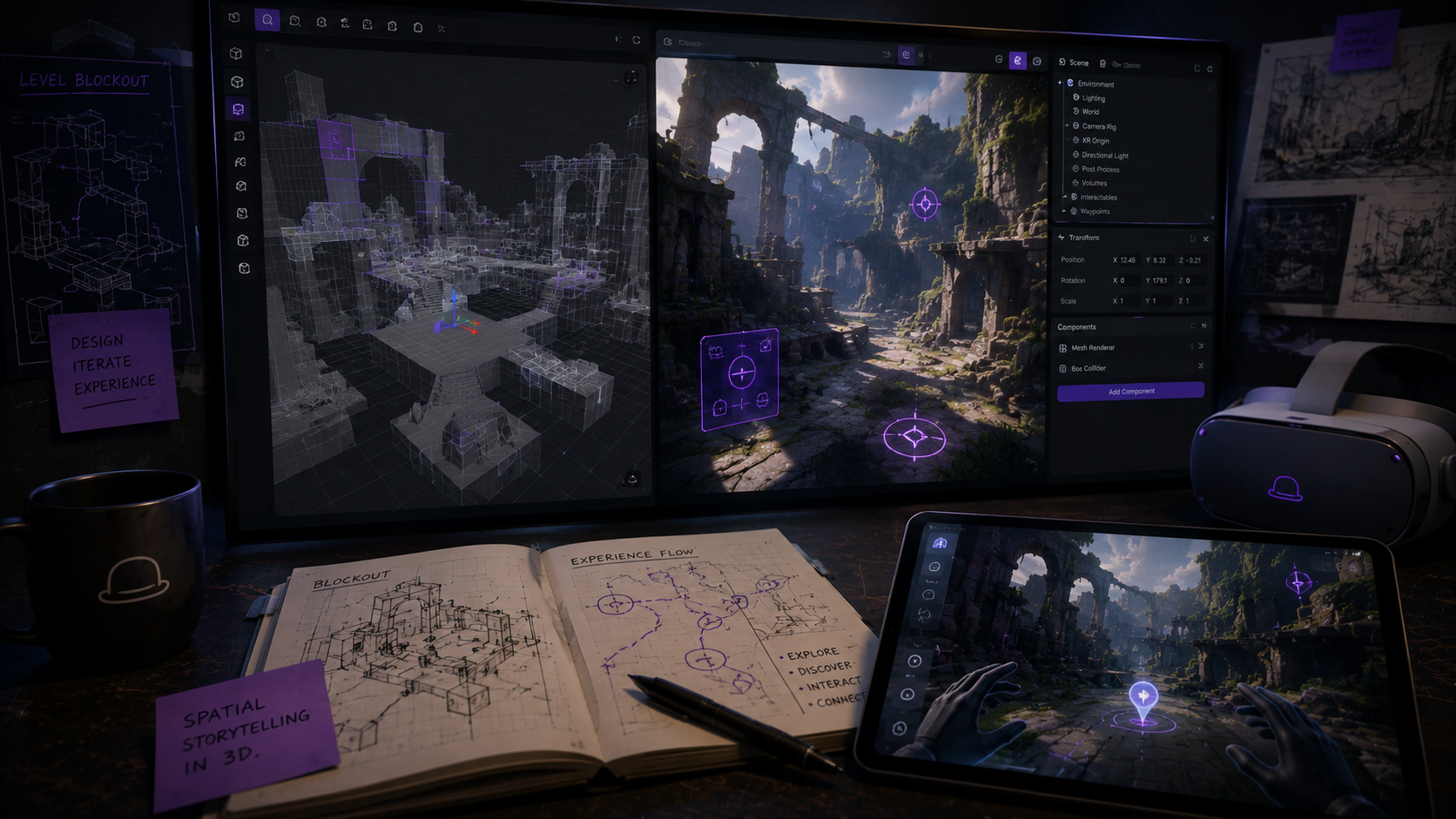
Explore immersive ideas before committing to expensive production.
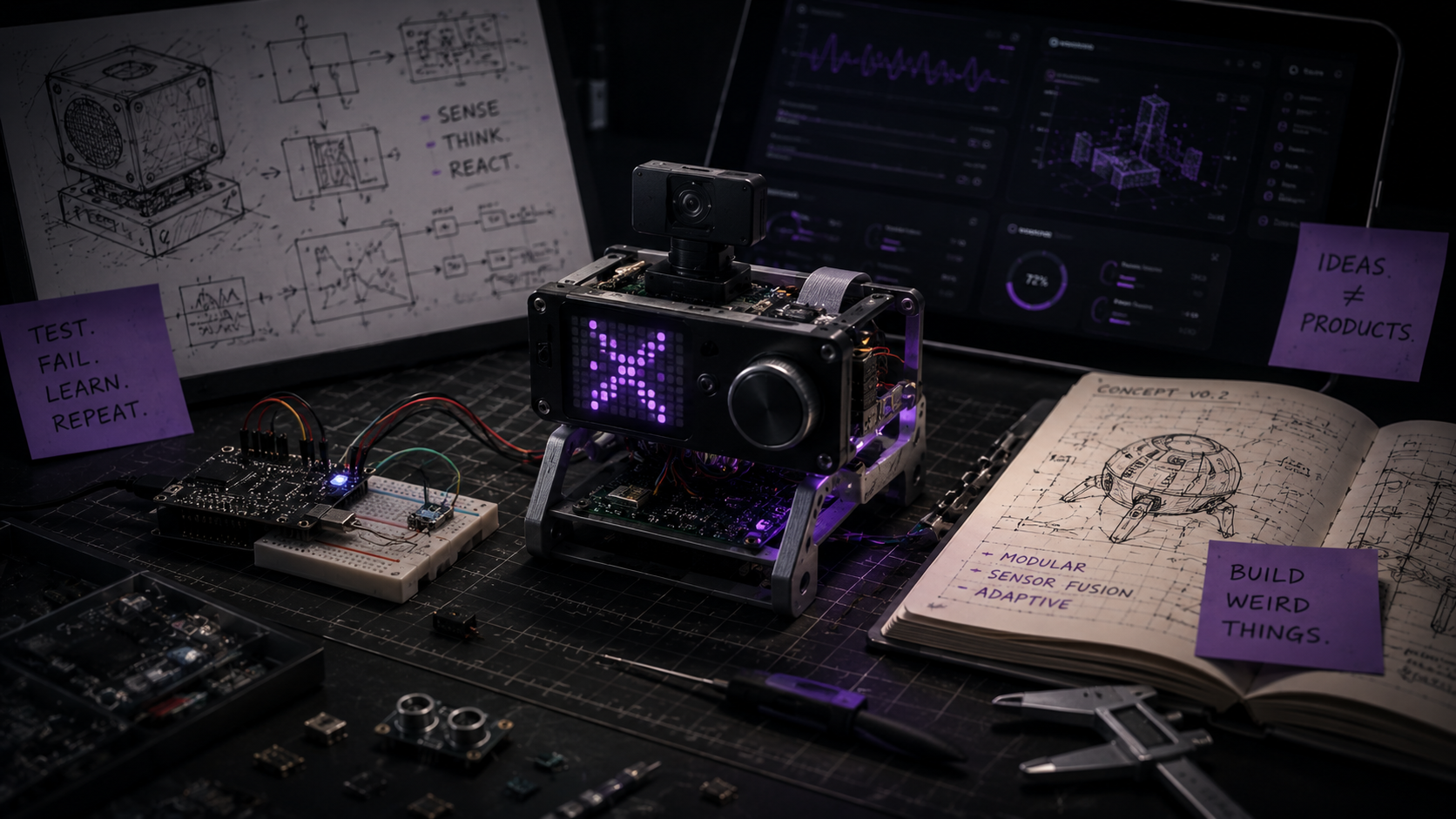
When the technology is changing faster than your organization can evaluate it, build an experiment.
A Thinking Cap Sprint asks “what should we do?”, prototyping asks “will this work?”, and build asks “how do we make it real?” They connect, but each path stands on its own — you don't have to buy all three, and you can enter at any stage.
Answers "what should we do?" — find the opportunity first, then prototype to test it.
A targeted, fast experiment designed to answer one specific question.
Open-ended exploration of emerging ideas, tools and capabilities.
The first phase of a larger production effort, grounded in something you can test.
Thinking Cap Sprint, rapid prototyping and build connect naturally — but they aren't a mandatory package. Most clients start in the middle.
What should we do?
Find the opportunity.
A 10-day innovation sprint that turns an open question into a clear, evaluated direction.
Will this work?
Test the opportunity.
Make an idea real enough to learn from, then decide: build it, change it, or kill it.
How do we make it real?
Pursue the opportunity.
Take a validated direction into production with the people who prototyped it.
“We already know what we want to test.”
Start with a prototype.
“We know we need to innovate, but not where.”
Start with a Thinking Cap Sprint.
“We've already validated the concept.”
Talk to us about Build.
A sprint compresses the most useful part of creative experimentation: making something real enough to learn from.
Understand the problem.
Identify what we need to learn.
Build the smallest useful experiment.
Put it in front of people.
Observe what actually happens.
Build it. Change it. Or kill it.
Make → Try → Learn loops back when needed
We don't prototype to prove we were right.
We prototype to find out.
The output depends on the question we're trying to answer. Some prototypes end in working software; others end in a demonstration, a visualization, or a clear recommendation about direction.
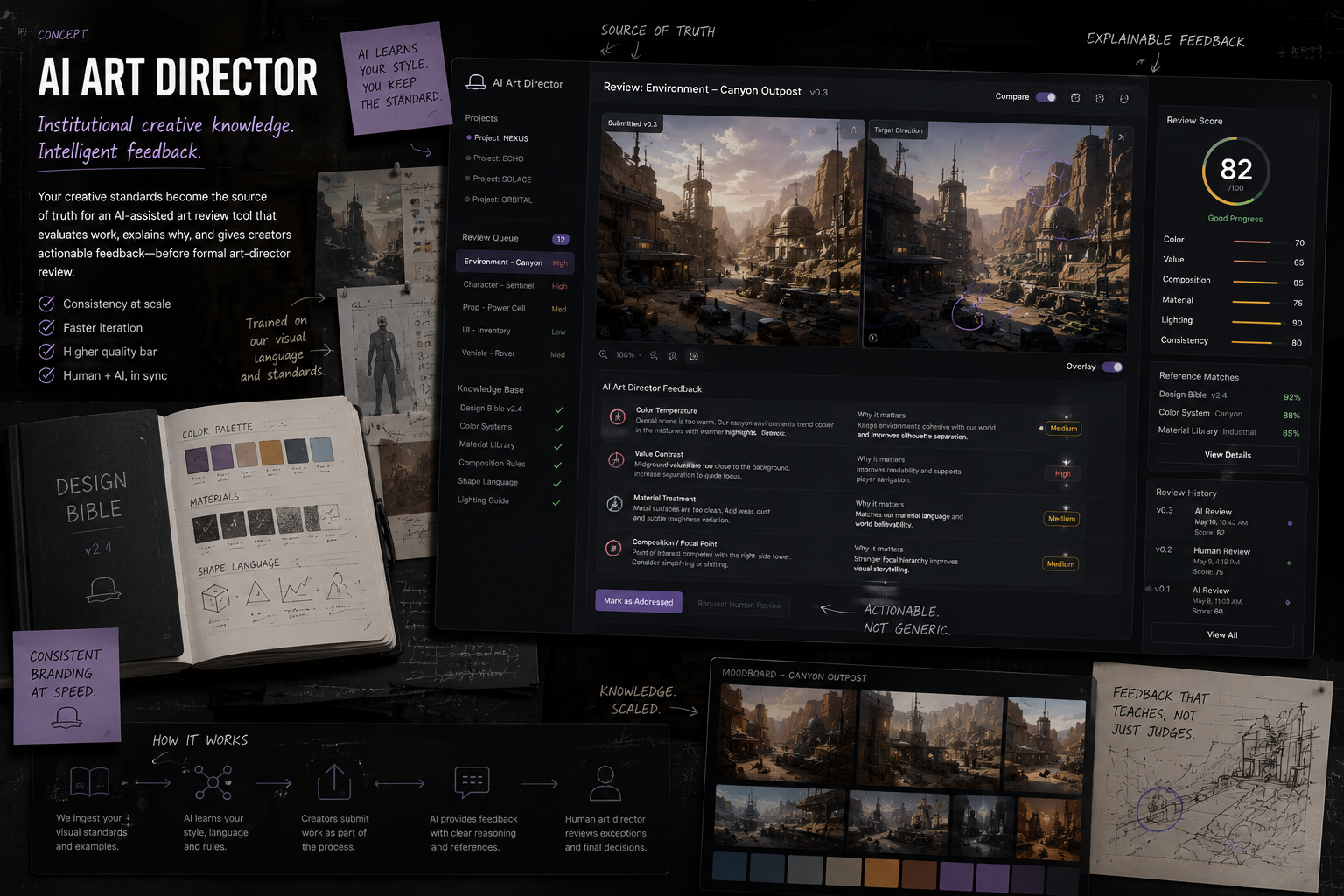
Can a company's creative standards become an intelligent review system?
A design bible becomes the source of truth for an AI-assisted art review tool that evaluates submitted work and gives creators actionable feedback before formal art-director review.
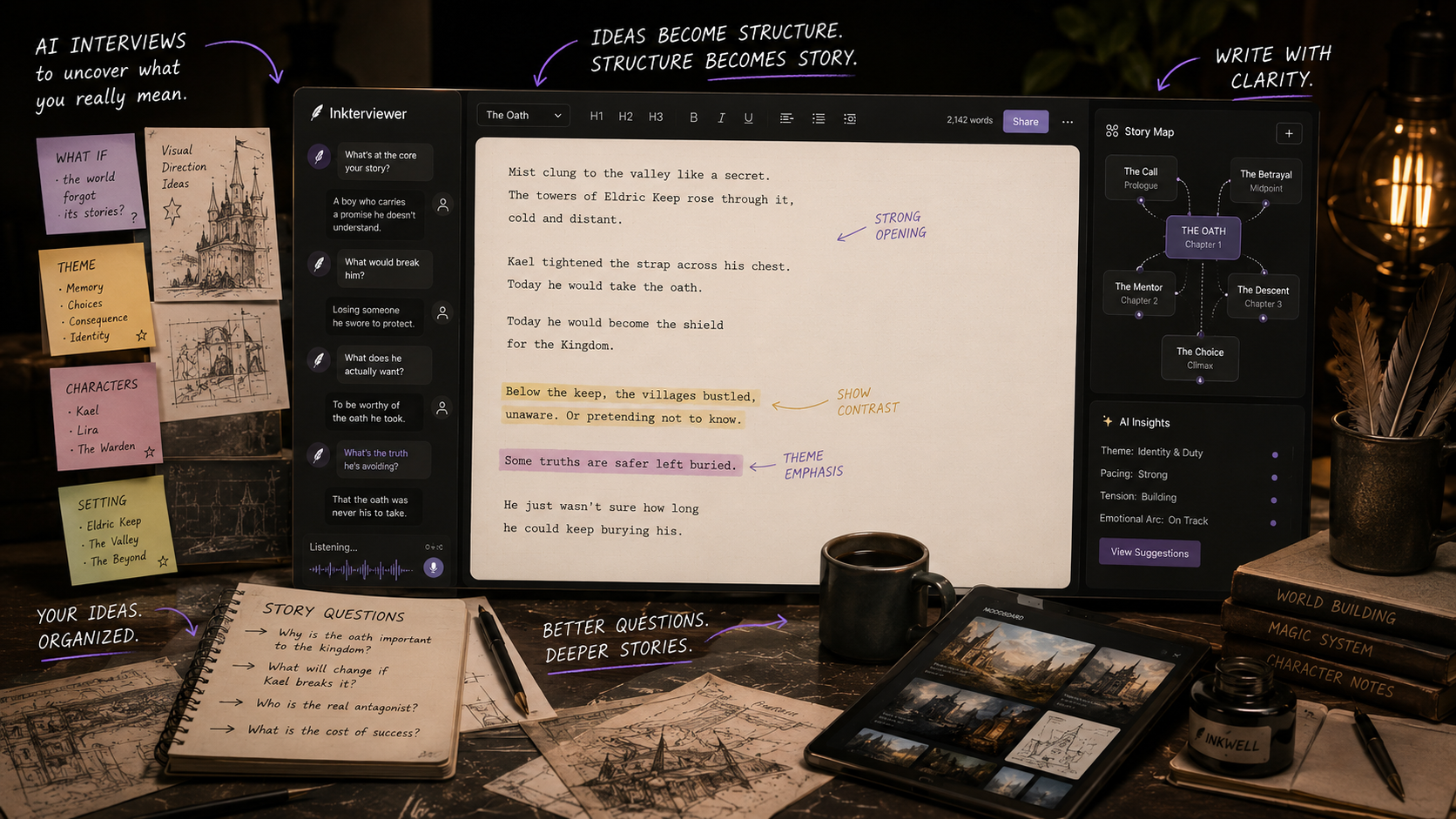
What happens when AI interviews the creator instead of waiting for prompts?
A local AI writing environment designed around conversation, questioning and creative development rather than a traditional chatbot interface.
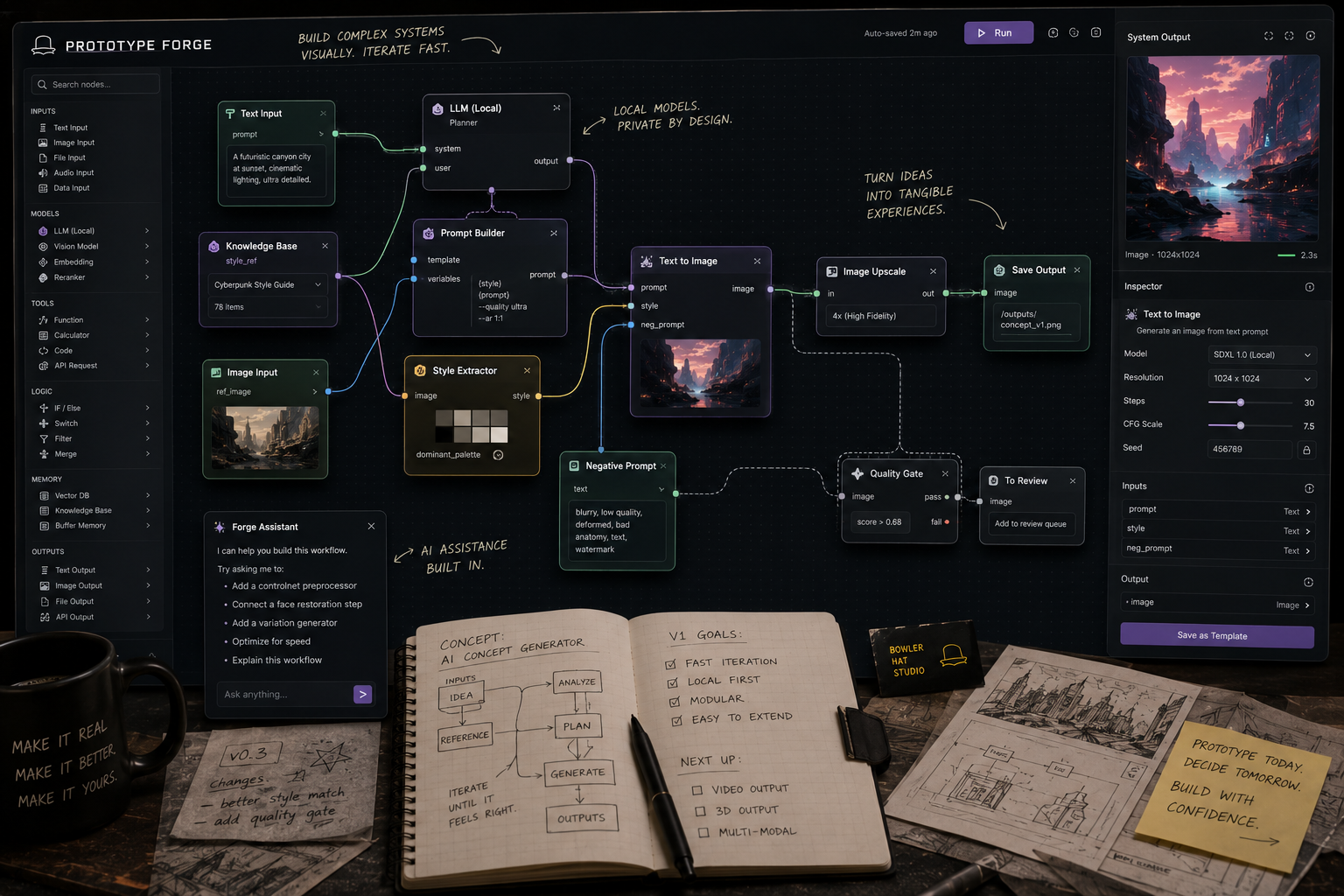
Can complex AI systems be designed visually?
A node-based environment for designing AI workflows — connecting models, tools, data and behaviors while an embedded local AI assistant helps the creator construct the system.
Reduce uncertainty before increasing investment.
You need to move faster than the approval cycle allows.
You need practical experiments, not another strategy deck.
You need to prove a workflow before rolling it out.
You need something people can actually stand in front of.
You need to see the idea before funding the idea.

A prototype sprint is run directly by the person building it — no handoffs, no account layer, no discovery theater. The goal is always the same: get the idea into a form your team can react to.
Bring us the messy version. Tell us the question and we'll come back with what we'd prototype first.